
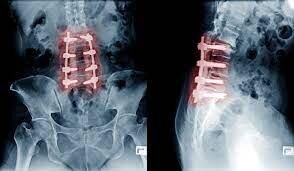
Posterior decompression is an operation in the spine to relieve pressure on the nerves anywhere between the cervical (neck) to the lumbar (lower back). This is a needed procedure to help with several conditions including spinal stenosis. Stenosis is a condition often caused by age-related issues such as enlarged joints, arthritis, bone spurs, bulging discs and thickened ligaments. Other causes can be fractures, herniated discs, tumors and infections that narrow the spinal canal and compress the nerves, resulting in numbness, chronic pain, weakness or a tingling sensation.
Procedure
This surgery is performed from the back of the spine through an incision in the posterior muscles. Removing the lamina and the thickened ligament provides more space for the nerves, plus it gives better access for the removal of bone spurs, also called osteophytes.
There are different types of decompression surgery and they include:
LAMINOTOMY: This procedure removes part of the lamina, or the roof of the spinal canal that provides support and protection for the backside of the spinal cord. The removed piece is only big enough to alleviate the pressure.
FORAMINOTOMY:Foraminotomy is a procedure designed to alleviate pressure on nerves by giving space to the area around a bone in the spinal column. A Foraminotomy enlarges the passage by removing material which is causing the constriction.
LAMINOPLASTY: Laminoplasty is a repositioning or reshaping of the lamina to expand the canal in the neck. Cutting one side of the bone and creating a hinge like a door, this provides more space for the nerve endings in the neck.
DISCECTOMY:This is the partial removal of a degenerative or bulging disc.
When a patient undergoes a posterior decompression, it often makes the spine unstable and a spinal fusion is necessary. Using a combination of bone grafts, rods, plates or screws to reconnect two separate vertebrae, this helps to eliminate pain from an unstable spine.
Candidate For Posterior Decompression
If you are experiencing leg pain that is worse than back pain, significant weakness, pain or numbness in your foot or leg that has not improved with medication or physical therapy, difficulty in standing or walking, and have been diagnosed with stenosis in the lateral recess or central canal as evidenced by tests such as MRI, CT, myelogram, then you may be a candidate for Posterior Decompression. Posterior Decompression is intended to relieve the symptoms of arthritis and stenosis and it is not a cure. This surgery is elective except in rare instances and does not always cure stenosis or eliminate arthritis.
Why Bonex?
At Bonex Klinik, innovative treatment plans are designed specific to cervical spine and neck treatment that addresses the source of pain. Our expert team of clinic staff is able to successfully explore which options of treatment are best for you after a thorough assessment. Using top-tier technology, Bonex Klinik doctors are able to address the source of pain and create a simple to understand patient care plan getting you back to life as soon as possible. We recognize that in seeking treatment you have many options. You will find an excellent team of healthcare professionals at Bonex Klinik with a specific collaborative planning team that will help you achieve the pain free outcomes you desire.
From diagnosis to discharge, cervical spine treatment is developed by your highly trained team of specialists specific to what you require.

